Hi lovely people!
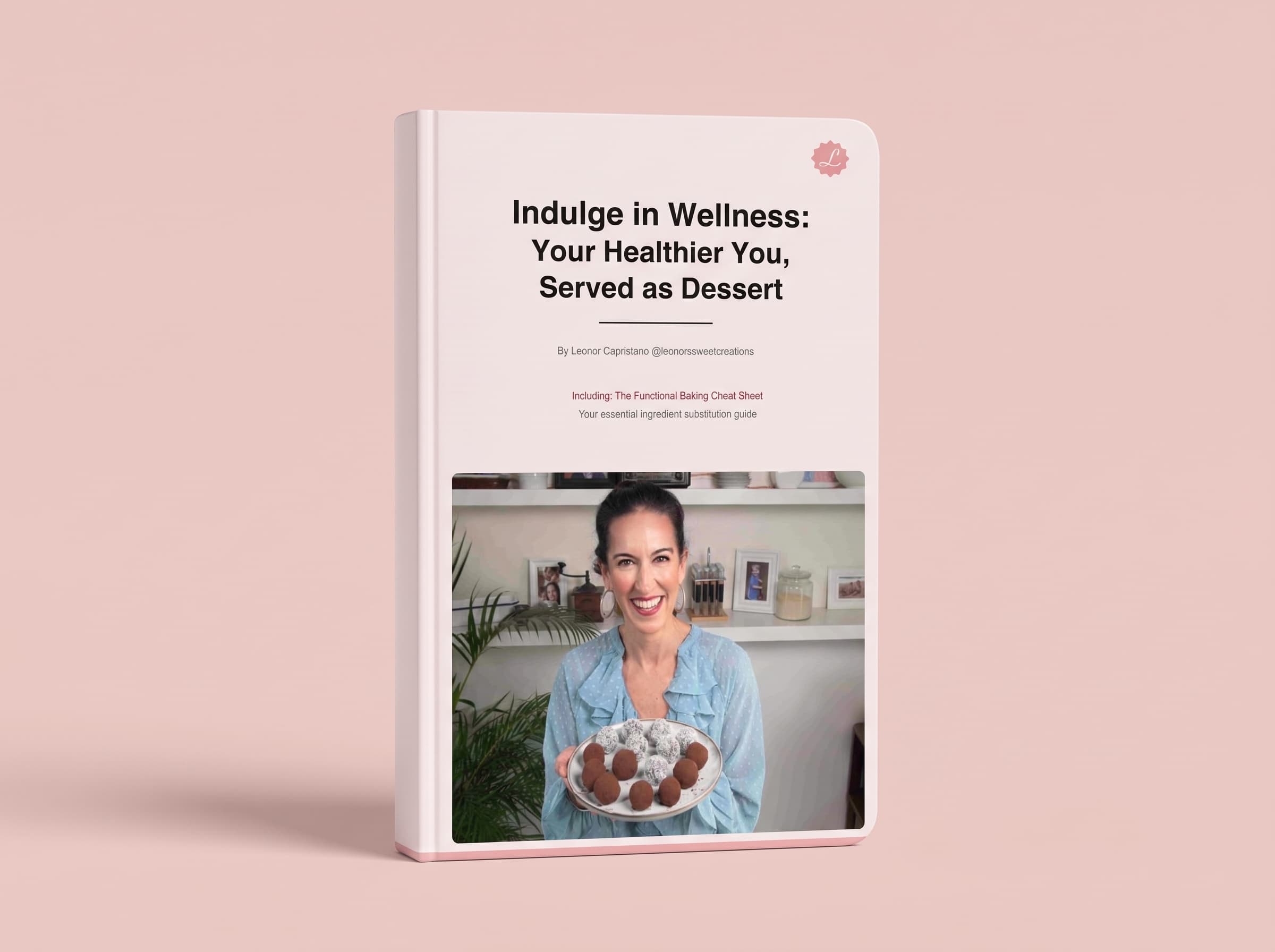
Baking is a fun and delicious way to enjoy time with your friends and family. However, many baked goods are high in calories and sugar. If you are looking for alternatives to sugar in baking, read on! In this blog post, we will discuss some popular sugar alternatives and share some tips for varying the ingredients in your favourite baked treats. Enjoy your desserts!
What Are Some Sugar Alternatives for Baking?
There are many sugar alternatives that can be used in baking. Let’s take a look at some of the most popular options:
1) Monkfruit Sweetener:
Lakanto Monkfruit Sweetener is a popular sugar alternative for baking. Made from monk fruit, it is a natural sweetener that contains zero calories. Lakanto Monkfruit Sweetener has a low glycaemic impact, which means it has little effect on blood sugar levels. It can be used to sweeten coffee and tea or in baking recipes. If you have diabetes or a medical condition requiring you to manage your blood sugar, please consult a healthcare professional before making changes to your diet.
2) Erythritol:
Erythritol is a sugar alcohol that occurs naturally in some fruits and vegetables. It is about 70% as sweet as sugar and has a low glycaemic impact. Erythritol can be used in many different ways, including as a sugar alternative in baking. It is important to note that erythritol can cause digestive discomfort in some people if consumed in large quantities.
3) Stevia:
Stevia is a plant-based sweetener that has been used for centuries in South America. It is significantly sweeter than sugar, so you only need a very small amount to achieve the desired level of sweetness. Stevia can be found in liquid or powder form and can be used to sweeten coffee, tea, or baked goods. Some people find stevia has a bitter aftertaste, so it may not be suitable for everyone.
4) Xylitol:
Xylitol is a sugar alcohol derived from plant fibre. It has a similar sweetness to sugar but with fewer calories per gram. Xylitol has a low glycaemic impact, making it a popular choice for those looking to reduce their sugar intake. It can be used in baking or to sweeten coffee and tea. However, it can cause digestive discomfort in some people if consumed in large quantities. Please note that xylitol is toxic to dogs and should be kept out of their reach.
5) Agave Nectar:
Agave nectar is derived from the blue agave plant and has a similar consistency to honey. It is sweeter than sugar, so you may need to use less of it when baking. Agave nectar can also be used to sweeten coffee or tea. It contains a higher proportion of fructose than regular sugar, so it is worth being mindful of your overall fructose intake if consuming it regularly.
6) Honey:
Honey is a natural sweetener produced by bees from the nectar of flowers. It is often used as a substitute for sugar in recipes. Honey has more calories than sugar, but it is also sweeter, so you may end up using less of it overall. Honey also contains small amounts of certain nutrients. When choosing honey, raw honey is generally less processed than standard commercial honey.
How To Reduce The Number Of Calories In Your Favorite Baked Treats:
There are many different ways to reduce the number of calories in your favorite baked treats. Here are some tips:
1) Use a sugar substitute:
One way to reduce the sugar content of your favourite baked treats is by using a sugar alternative. There are many different options available, so you can experiment to find one you enjoy. Always check the label to ensure that the sugar alternative you choose is suitable for baking, as not all of them behave the same way as sugar when heated.
2) Use fruit instead of chocolate:
Swapping chocolate for fruit can be a great way to vary the ingredients in your baked treats. Fresh, frozen, or dried fruit are all great options. Be sure to experiment to see what fruits work best in your recipes.
3) Reduce the amount of fat:
Baked goods often contain a significant amount of fat. You can reduce the fat content of your recipes by using lower-fat ingredients or choose to use better fat choices. Keep in mind that this may change the texture of your baked goods, so you may need to experiment to find the right balance.
4) Use smaller portion sizes:
Another practical approach is to enjoy smaller portions of your favourite baked treats. When you bake cookies or muffins, try cutting them into smaller pieces so that you can enjoy the flavour without consuming as large a quantity. Similarly, when serving cake or pie, smaller slices allow you to enjoy the taste as part of a varied and balanced diet.
5) Use whole wheat flour:
Whole grain flour is a great option for those looking to increase the fibre content of their baked goods. Whole grain flour contains more fibre than white flour and retains more of the grain’s naturally occurring nutrients. When using whole grain flour instead of white flour, a 1:1 ratio is a good starting point. For example, if a recipe calls for 1 cup of white flour, use 1 cup of whole grain flour. If you find that your baked goods turn out too dense or dry, try adding an extra ¼ cup of liquid for each cup of whole grain flour used.
Conclusion
Reducing your sugar intake does not mean you have to give up on sweet treats. With a little creativity, you can explore a wide range of sugar alternatives and ingredient swaps to vary the nutritional profile of your baked goods. Have you tried any of these sugar alternatives in your baking? Share your experience in the comments below!
The information in this content is provided for informational and educational purposes only. It does not constitute nutritional or medical advice. Please consult a qualified healthcare professional or registered dietitian before making significant changes to your diet, particularly if you have a health condition, are pregnant, or have specific dietary requirements.