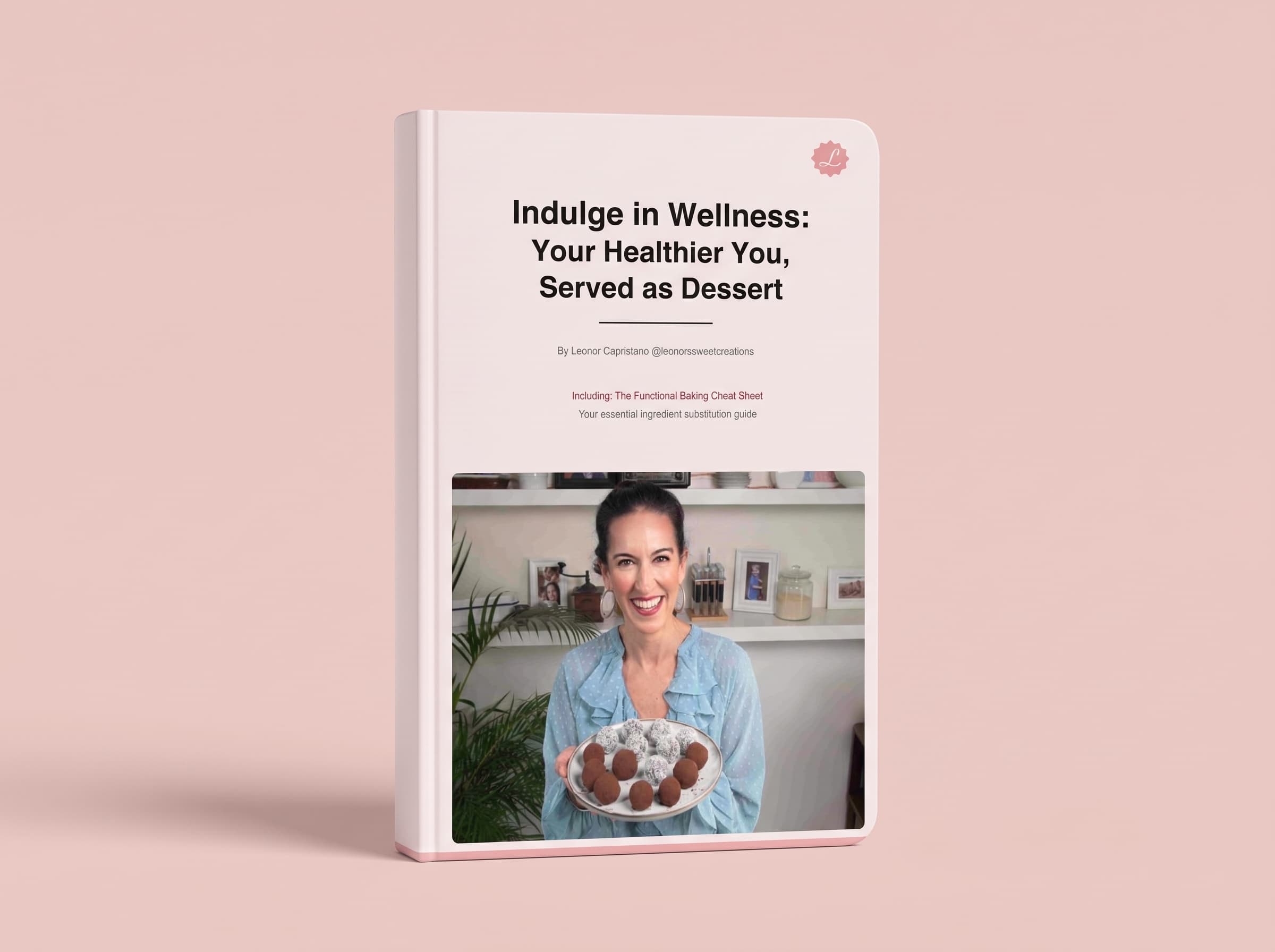
Chocolate cravings have a bad reputation. Most people assume they mean something about their self-control. They do not.
You eat one piece. Then another. Then somehow the bar is gone and you are standing in the kitchen wondering what just happened. Wondering whether you are a person who simply cannot be trusted around chocolate.
You are not. The problem is not you. The problem is what most chocolate is actually made to do.
The design problem behind chocolate cravings
Most chocolate sold in supermarkets is engineered with a very specific commercial goal: to make you want more before you have finished what you have. The combination of refined sugar, vegetable fats, emulsifiers, and relatively low cacao content creates something that hits the pleasure centres in your brain quickly and then drops away, leaving a craving where the satisfaction should be.
This is not an accident. Sugar activates dopamine release in the brain in a way that shares mechanisms with other rewarding stimuli. The initial response is real and immediate. The drop that follows is equally real, and it drives you back for another piece before the first one has had a chance to register as a complete experience.
The science here is fairly clear. A 2021 study published in Nature Metabolism found that blood sugar dips following high-sugar foods, not the initial spike, were the primary driver of subsequent hunger and cravings. People who experienced the sharpest drops consumed, on average, around three hundred more calories in the hours following than those whose blood sugar remained more stable. The craving you feel for another piece of chocolate thirty minutes after the first is your blood sugar doing exactly what the research predicts.
What real chocolate does differently
High-cacao chocolate, typically seventy percent and above, works differently in the body and differently in the mouth.
The higher cacao content means less refined sugar per piece and a more complex, genuinely bitter-edged flavour that your brain registers differently. There is satisfaction in that complexity in a way that processed sweetness cannot replicate. You eat less not because you are exercising restraint but because less is genuinely enough. The experience is complete.
The flavonoids in cacao, the antioxidant compounds that are largely absent from heavily processed chocolate, also appear to support more stable blood sugar response when consumed as part of a meal or alongside food that contains fat and fibre. The mechanism is not fully understood, but the practical experience is consistent: a small amount of good chocolate, eaten with intention, satisfies in a way that a large amount of processed chocolate never quite does.
How chocolate cravings disappear in functional desserts
In my functional desserts, chocolate is always high-cacao. The sweetness comes from a natural sweetener, dates, coconut sugar, or ripe banana blended into the recipe. The fat comes from coconut cream or a natural nut butter. These are not substitutions made reluctantly. They are choices made because they produce a genuinely better result.
High-cacao chocolate, coconut cream, natural nut butters, and a little natural sweetener. Simple ingredients, chosen carefully, and the result tastes exactly like chocolate dessert is supposed to taste. Which is to say: complete. Satisfying. Enough.
Chocolate was never supposed to make you feel guilty or leave you reaching for more. When it is made with the right ingredients, you enjoy it fully and then you stop. Naturally, without any particular effort.
That has always been the whole point.
Want more breakdowns like this one, plus 7 recipes that put these principles into practice? Grab Dessert Is Not the Enemyfor €9.99. You don’t just get the recipes — you get the reason behind every ingredient, plus the full substitution table, so you can start making your own calls in the kitchen.